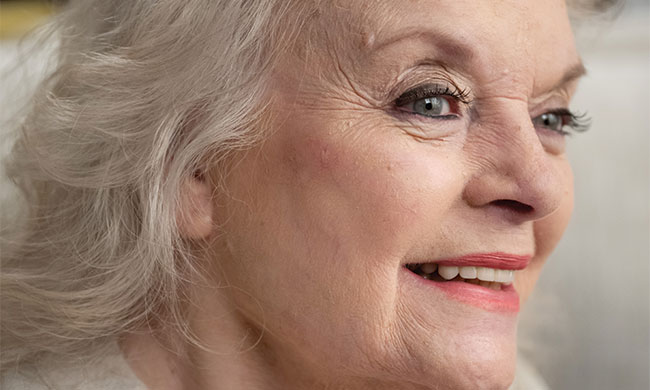
(Feature Impact) Rosacea is a chronic skin condition, mainly affecting the face, that causes redness, swelling, pain and changes in appearance. It is estimated that more than 16 million people in the United States have rosacea, according to the National Rosacea Society (NRS), but only about 1 million are under active treatment.
Physical impacts include prominent redness, acne-like bumps and pimples, highly visible enlarged blood vessels, pronounced dryness and unpleasant sensations like stinging, burning, itching and tingling. As many as half of sufferers also experience eye symptoms. Rosacea also affects emotional and social well-being. From lower confidence and self-esteem to avoidance of public contact and social engagements and missed work, the impacts are far-reaching. However, rosacea can be treated and managed.
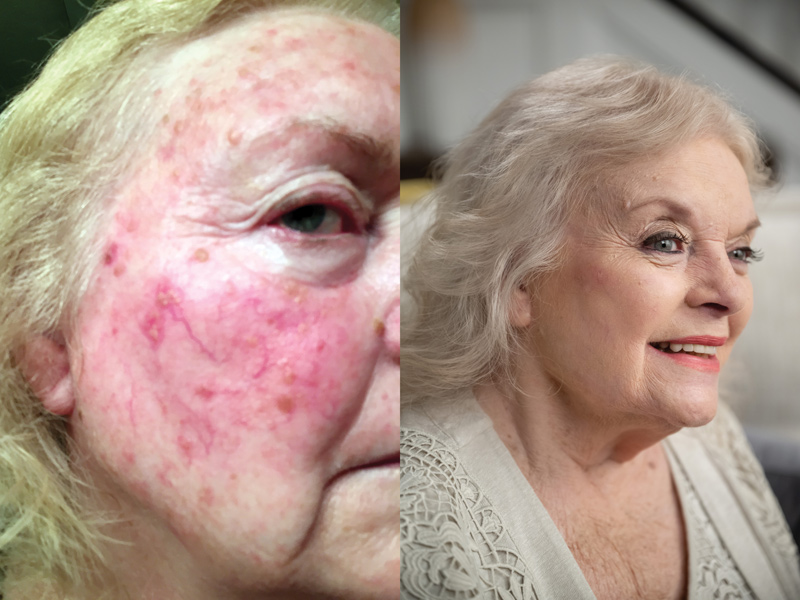 Learn more about the condition with this information from the NRS and the experts at Crescel, who are transforming rosacea care by harnessing nature and science to heal skin with their Skin Renewal Cream. It holds the NRS’s Seal of Acceptance, and its therapeutic benefits and tolerance have been confirmed in multiple clinical studies.
“Sensitive and easily irritated skin is a common issue for people with rosacea, and harsh products can aggravate the condition,” said Andrew Huff, executive director of the NRS. “That’s why the NRS expertly evaluates skin care and cosmetic products to ensure they are gentle, clinically tested and found to be unlikely to irritate sensitive rosacea skin.”
Researchers have also found a microscopic skin mite called Demodex may play a role. These tiny arachnids normally live within hair follicles and oil glands on everyone’s skin, but people with rosacea tend to have higher numbers on the face, which may contribute to irritation and inflammation.
Some studies have found links between rosacea and other health conditions, such as heart disease, digestive disorders, neurological or autoimmune conditions and certain cancers. These findings suggest rosacea may be related to inflammation throughout the body.
Symptoms are different for each person and can change over time. There may be times when symptoms are worse and instances when they become milder.
Common triggers include sun exposure, stress, extreme temperatures, heavy exercise, alcohol consumption, spicy foods and some skin, hair and makeup products.
What causes a flare-up in one person may have no effect on another, making this a highly individualized process. Knowing what triggers your flare-ups can help reduce discomfort, improve treatment results and prevent the condition from getting worse.
 How do you treat rosacea?
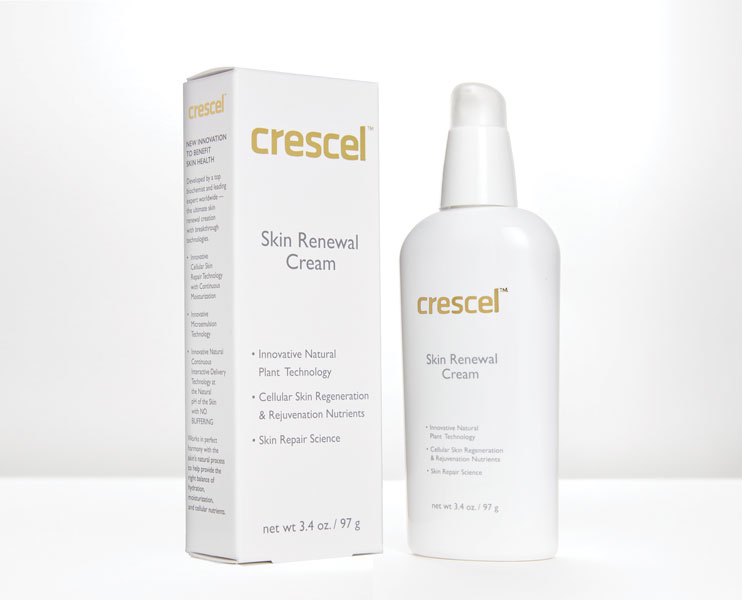
As the world’s first intelligent therapeutic, Crescel’s Skin Renewal Cream harnesses nature and science to heal skin. The cream contains:
Talk with your dermatologist about your treatment routine and visit crescel.com to learn more about rosacea care.
