(Feature Impact) Roughly 1 in 8 American adults take GLP-1 medications for diabetes or weight loss and the number continues growing, according to a recent KFF Health poll. People considering these drugs understandably have many questions, ranging from which GLP-1 would be best, what side effects might they experience and whether their insurance will cover it.
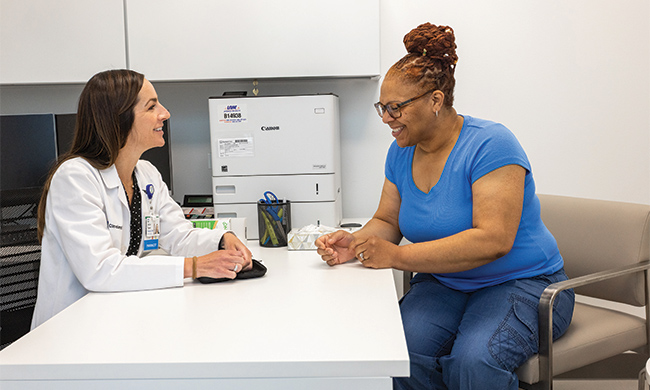
The health care professional who prescribes GLP-1s is a key source of information, but another vital partner is the medication expert on your health care team: your pharmacist.
“GLP-1s are more complicated than your typical antibiotic or medicines like cholesterol drugs, and they require particular expertise to manage effectively,” said Martin Torres, PharmD, director of pharmacy, University of California, Irvine. “With their medication management expertise, pharmacists are particularly equipped to counsel people on GLP-1s. Our guidance can help people maximize benefits and minimize the risks.”
GLP-1s are intended to be taken long-term, so it’s helpful to consult with the pharmacist at your medical center or clinic. The health-system pharmacists who work collaboratively with doctors in these settings can serve as ongoing guides on your GLP-1 journey.
Here are three ways they can support you.
If your plan doesn’t cover these drugs or you lack insurance, pharmacists can help you find alternative payment options, such as a drug-maker coupon or medication-support program.
 Lifestyle Changes
 Pharmacists can provide a wealth of information on the effects of lifestyle modifications. The strategies for healthy eating and physical activity they share can help make these a routine part of your life for long-term success.
To learn more about how health-system pharmacists can impact your overall health, visit yourpharmacist.org.
A pharmacist’s extensive knowledge of medications is valuable not only for starting but also for stopping GLP-1s. They can help by:
