(Feature Impact) A healthy brain goes beyond reading exercises and completing puzzles – it extends to the kitchen, too. Emerging nutritional science is clear that what people eat doesn’t just fuel the body; it shapes memory, mood and cognitive health.
Among the foods you can include in your diet to give your brain a boost are peanuts and peanut butter, staples valued not only for their convenience but also for their cognitive benefits. In fact, a study published in the “Journal of the Prevention of Alzheimer’s Disease” found adults 60-80 years old who did not eat peanuts and peanut butter regularly were 30-50% more likely to perform poorly on tests measuring learning, memory, language, processing motor speed and attentiveness compared to those who did consumer peanuts and peanut butter.
It’s not just the older generation that can benefit. According to research published in “Clinical Nutrition,” a study of college students ages 18-33 showed consumption of peanuts and peanut butter was associated with improved memory function and decreased anxiety, depression and stress.
Consider this key information from the Georgia Peanut Commission before your next meal planning session.
Despite their small stature, peanuts pack a nutrition punch. Their unique blend of various vitamins, minerals and bioactive compounds includes:
Peanuts are included in the MIND diet, a combination of the Mediterranean and DASH diets, which specifically includes foods shown to benefit the brain.
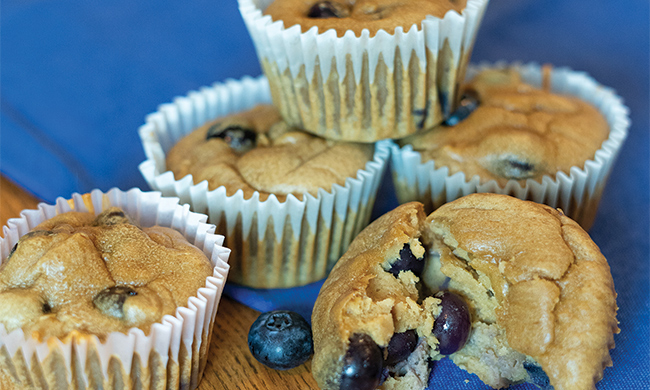
Adding peanuts to your menu can be a breeze. Look no further than a powerful main course like Crunchy and Creamy Cold Green Pea and Peanut Salad, a perfect accompaniment at potlucks and cookouts as an easy side or light main course. Make breakfast-on-the-go part of your daily commute with Flourless Blueberry Muffins that require just five ingredients, including creamy peanut butter, or add a pinch of protein to snack time with Protein Balls that can be refrigerated until hunger strikes.
Supporting your brain starts with the right nutrition, and evidence makes clear peanuts and peanut butter should be top-of-mind as you head to the grocery store. For help getting started, find more recipes and nutritional information by visiting GAPeanuts.com.
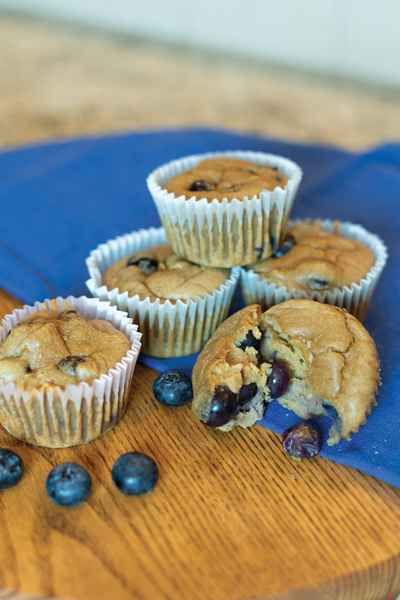
Recipe courtesy of The Peanut Institute
Servings: 12
Nutritional information per serving: 155 calories, 10 g carbohydrates, 31 mg cholesterol, 2 g saturated fat, 9 g unsaturated fat, 2 g fiber, 6 g protein, 98 mg sodium, 5 g sugar.
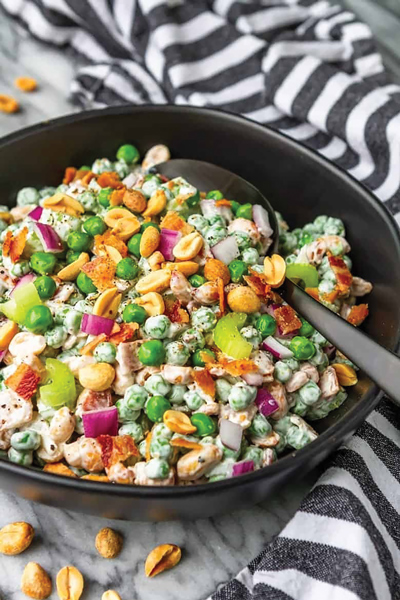
Recipe courtesy of The Peanut Institute
Servings: 8
Dressing:
Salad:
Nutritional information per serving: 230 calories, 17 g carbohydrates, 12 mg cholesterol, 3 g saturated fat, 9 g unsaturated fat, 5 g fiber, 11 g protein, 249 mg sodium, 6 g sugar, 1 g added sugar.
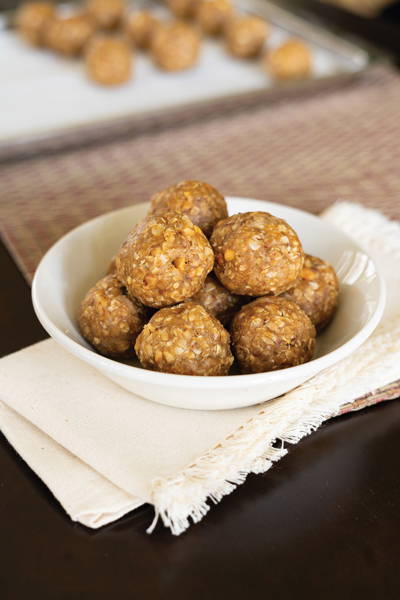
Recipe courtesy of The Peanut Institute
Servings: 24
Nutritional information per serving: 130 calories, 7 g fat, 14 g carbohydrates, 3 g protein, 2 g fiber, 60 mg sodium.
